אודות
חזון ומטרות
תכנית ירושלים
חוקה
יושבי ראש ההסתדרות הציונית
בית המוסדות הלאומיים
מיצג אור קולי
אודות
בעלי תפקידים
יושב ראש
מ"מ היו"ר
נשיאה
מנכ"ל
מזכ"ל
חברי הנהלה
בעלי תפקידים
שותפים לעשייה
פדרציות ציוניות
סיעות
ארגונים ציוניים
המוסדות הלאומיים
שותפים לעשייה
מוסדות התנועה הציונית
הקונגרס הציוני
ההנהלה הציונית
בית הדין הציוני
הוועד הפועל הציוני
משרד המבקר
מוסדות התנועה הציונית
מחלקות
חינוך
ישראל והנצחת השואה
שירותים רוחניים בתפוצות
עידוד עליה
תרבות ושפה עברית
החטיבה להתיישבות
פעילות ציונית בתפוצות
ארגון וקשר עם ישראלים בתפוצות
מפעלים ציוניים
מעורבות חברתית ותיקון עולם
גיוס משאבים וחיזוק הקשר
מאבק באנטישמיות וחוסן קהילתי
נוער חלוץ ודור המשך
פריפריה ומעורבות התפוצות
מחלקות
יחידות
הר הרצל
הארכיון הציוני
דיגיטל
דוברות
יחידות
דרושים
צרו קשר
עקבו אחרינו:
חיפוש
He
עברית
English
אודות
חזון ומטרות
תכנית ירושלים
חוקה
יושבי ראש ההסתדרות הציונית
בית המוסדות הלאומיים
מיצג אור קולי
בעלי תפקידים
יושב ראש
מ"מ היו"ר
נשיאה
מנכ"ל
מזכ"ל
חברי הנהלה
שותפים לעשייה
פדרציות ציוניות
סיעות
ארגונים ציוניים
המוסדות הלאומיים
מוסדות התנועה הציונית
הקונגרס הציוני
ההנהלה הציונית
בית הדין הציוני
הוועד הפועל הציוני
משרד המבקר
מחלקות
חינוך
ישראל והנצחת השואה
שירותים רוחניים בתפוצות
עידוד עליה
תרבות ושפה עברית
החטיבה להתיישבות
פעילות ציונית בתפוצות
ארגון וקשר עם ישראלים בתפוצות
מפעלים ציוניים
מעורבות חברתית ותיקון עולם
גיוס משאבים וחיזוק הקשר
מאבק באנטישמיות וחוסן קהילתי
נוער חלוץ ודור המשך
פריפריה ומעורבות התפוצות
יחידות
הר הרצל
הארכיון הציוני
דיגיטל
דוברות
דרושים
צרו קשר
עקבו אחרינו
"זוכרים ביחד"
מיזם ההנצחה והזיכרון לחללי מערכות ישראל ונפגעי פעולות האיבה בארץ ובעולם.
קראו עוד
חרבות ברזל
פעילות ההסתדרות הציונית העולמית במהלך מלחמת חרבות ברזל. מיזמים, תכניות והסברה בארץ ובעולם.
קראו עוד
מיצג חרבות ברזל
לזכרם של הנרצחים, להשבתם של החטופים, לשלומם וניצחונם של כוחות הביטחון. עם ישראל חי!
צפו
נזכור אותם לעד - טקס זיכרון עולמי
במלאת 30 יום למתקפת הטרור הרצחנית של חמאס, ביום שבת, חג שמחת תורה, כ"ב בתשרי 7/10/23, התקיים טקס זיכרון בהשתתפות הקהילות היהודיות ברחבי העולם.
צפו
אפריל
2024
יום א
יום ב
יום ג
יום ד
יום ה
יום ו
שבת
31
1
2
3
4
5
6
7
8
9
10
11
12
13
14
15
16
17
18
19
20
21
22
23
24
25
26
27
28
29
30
1
2
3
4
להורדת לוח השנה הציוני לנייד שלך
י"ד בניסן
22.4.2024
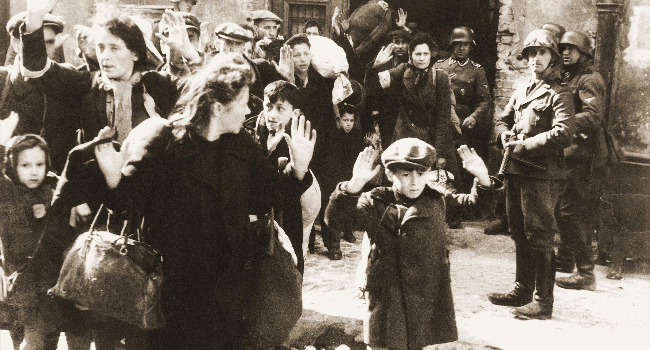
פרוץ מרד גטו ורשה
בי"ד בניסן תש"ג, פרץ מרד גטו ורשה, המרד המשמעותי ביותר של יהודים נגד הנאצים בשואה. ב-19.4.1943 נכנסו חיילים נאצים לגטו ורשה במטרה לחסלו. לתדהמתם נתקלו בהתנגדות כבדה מצד לוחמים יהודים שהשתמשו בלוחמת גרילה. המורדים, באמצעים הכלים שעמדו לרשותם, הצליחו להחזיק מעמד ולעמוד בגבורה מול הנאצים כמעט חודש ימים. המרד נחשב לסמל של התנגדות היהודים וגבורתם בזמן השואה.
22.4.2024
יום כדור הארץ
יום כדור הארץ הוא יום בו מטפחים מודעות להגנת הסביבה של כדור הארץ, והוא נחגג מדי שנה ב-22.4. יום זה נקבע ע"י הכרזת האו"ם בשנת 2009 ומטרתו להעלות את המודעות ליכולתו של כל אדם להשפיע באמצעות התנהלות יום-יומית נכונה המתחשבת בסביבה על גורלנו ועל גורל הדורות הבאים ולהראות כי צריכת משאבים יעילה משפיעה על המערכת האקולוגית ועל איכות הסביבה.
פעילות ההסתדרות הציונית העולמית
חינוך
עידוד עליה
פעילות ציונית בתפוצות
עברית ותרבות
מאבק באנטישמיות וחוסן קהילתי
ישראל והנצחת השואה
שירותים רוחניים בתפוצות
החטיבה להתיישבות
ארגון וקשר עם ישראלים בתפוצות
מפעלים ציוניים
מעורבות חברתית ותיקון עולם
נוער חלוץ ודור המשך
קידום הפריפריה ומעורבות התפוצות
גיוס משאבים וחיזוק הקשר עם הקהילות
הר הרצל
הארכיון הציוני המרכזי
יחידת הדוברות
יחידת הדיגיטל
Slide 2 of 2.